
Belted Pouching with Fistula Solution Devices

A high-output enterocutaneous fistula or ostomy may produce two to seven liters of effluent per day which can be devastating to the skin and can cause pain, infection and emotional isolation.

Using a belted ostomy pouch with Fistula Solution devices can be a good effluent management option, particularly when:

  • The perifistula topography of a patients body, creases, or scars make adhesive pouching difficult, or
  • Ostomy pouches will not adhere to excoriated and weeping peristomal skin.

In these cases intestinal effluent can cause further irritation and wound formation of perifistula skin.  To seal and protect the skin from effluent, Fistula Solution devices can be compressed around the patient’s enteric fistula or ostomy with a belted pouching system.

The following "how-to" steps illustrate the use of the Fistula Funnel in these challenging situations.

belt 1

1. Tailor the Fistula Funnel by cutting along the exterior scribe line to form a skirt. The skirt will help form a good seal around the fistula or ostomy and protect the surrounding skin from effluent.
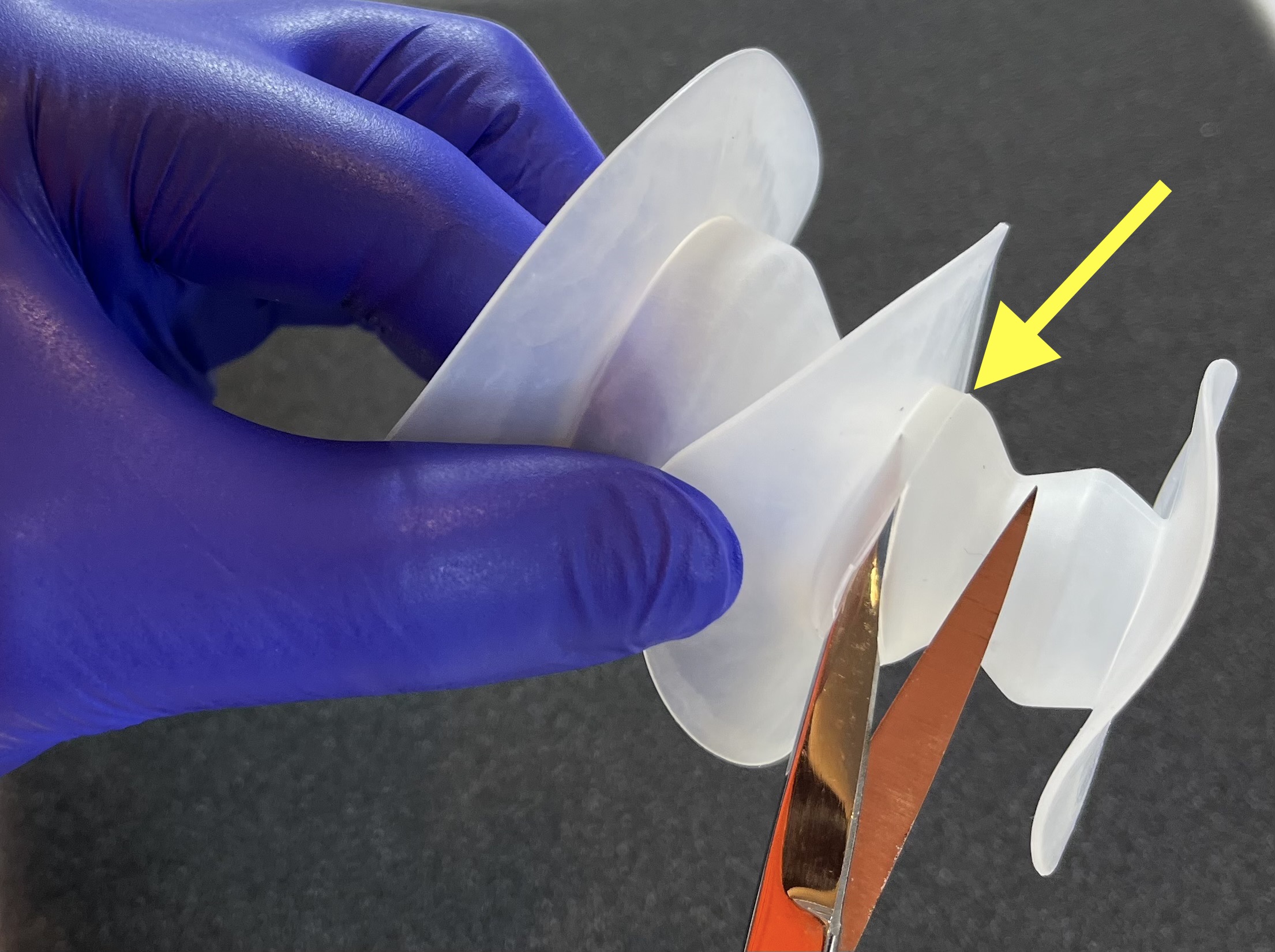
Scribe line

2. Check the fit of the tailored Fistula Funnel to ensure it will seal when compressed to the surface of the body.

The visible portion of the compression area is indicated by the yellow shape.

belt 3

3. Center fistula or stoma in opening and compress the device.  The fistula or stoma should be visible through the device opening after placement on the patient.
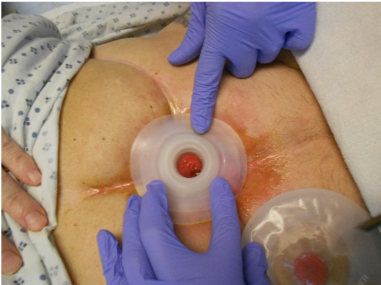
belt 2

4. Apply a belted ostomy pouch appliance to compress the device to seal and protect skin and capture intestinal effluent.
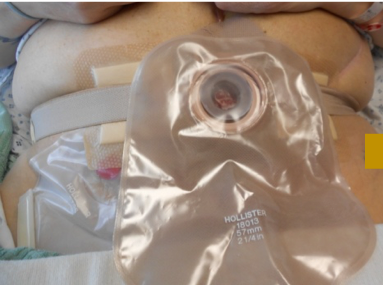
belt 4

This technique can be used to protect the skin from effluent and enable healing when other methods may not work and can dramatically improve quality of life for the patient.

Virtual Grand Round – Entero-cutaneous and entero-atmospheric fistulas: Have we had a paradigm shift in management?

The American Association for the Surgery of Trauma is hosting the virtual grand round: Entero-cutaneous and entero-atmospheric fistulas: Have we had a paradigm shift in management?  The live broadcast is November 20, 2019 at 5:00 PM Eastern.

Dr. Richard Miller, Chief, Division of Trauma and Surgical Critical Care at Vanderbilt Medical Center will be presenting.

Click here for more information.

Free Webinar on Comprehensive Management of Digestive Tract Fistulas

Mary Anne Obst, RN, CWON, CCRN, presents in this free recorded webinar that will increase your knowledge of enteric fistulas and their management. This informative program will give you practical insights into assessing the patient with an enteric fistula.  Mary Anne will also cover the medical, surgical, and wound care strategies that can help optimize patient outcomes.

Click here to view the webinar.

Sharing her clinical expertise as a complex abdomen specialist, Ms. Obst will outline the risk factors associated with enteric fistulas and the preventive measures that may help reduce complications.  Critical factors for successful fistula management and closure will be covered.  Mary Anne will also discuss specific wound care principles and the application of the "pinch test" as the gateway to surgical readiness.

Challenging Scenarios and Fistulas at the AWR Conference

The Challenging Scenarios session at the upcoming Abdominal Wall Reconstruction Conference includes hernia repair topics and a pair of exciting enteric fistula presentations. B. Todd Heniford, MD from Carolinas Medical Center Department of Surgery will present "Mesh Infection and Fistula: Surgical Management and Long-term Outcomes". Dr. Heniford will be followed by Mary Anne Obst, WOCN and Complex Abdomen Specialist at Regions Hospital, who will share "Enterocutaneous Fistula: Best Practices for Wound Management".

The presentations will be followed by questions and panel discussion including best practices in fistula management.

The 2019 Abdominal Wall Reconstruction conference will be June 6-8 at the Grand Hyatt in Washington D.C. Visit the AWR website to see the full conference agenda.